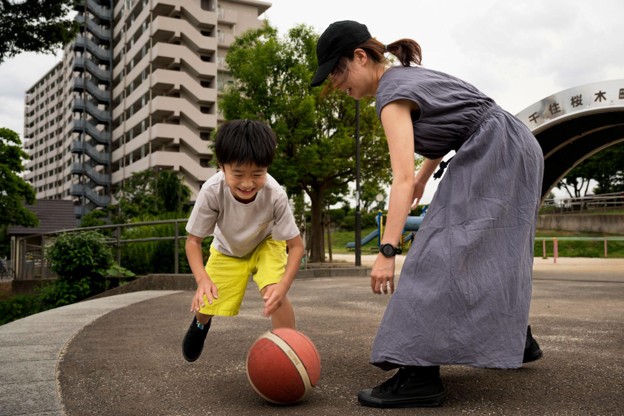
Building character often begins long before adulthood, and Mike Ferguson of Sausalito understands that junior sports provide far more than opportunities to compete. They introduce young athletes and their families to lessons about perseverance, responsibility, teamwork, and personal growth that extend well beyond the playing field. While wins and losses naturally become part of every athletic journey, the greatest value of youth sports often lies in the habits, relationships, and resilience developed through years of consistent participation.
Families frequently discover that athletic development mirrors many of life’s broader challenges. Improvement rarely happens overnight. Instead, meaningful progress comes through steady practice, patience, and a willingness to learn from both success and disappointment. These experiences help young athletes build confidence while teaching families the importance of supporting long-term development rather than focusing solely on immediate results.
Success is built through consistency.
One of the earliest lessons junior sports teach is that meaningful improvement requires consistent effort.
Young athletes gradually learn that progress depends on the following:
- Regular practice
- Constructive coaching
- Personal accountability
- Healthy routines
- Continuous learning
Each practice session contributes to future performance, even when immediate improvements are not obvious.
Families also gain an appreciation for the value of consistency. Encouraging children to stay committed through both strong performances and difficult periods helps reinforce the understanding that lasting achievement develops over time.
Learning to Handle Both Success and Disappointment
Every athletic season includes moments of celebration as well as setbacks.
Young competitors may experience:
- Close victories
- Difficult losses
- Personal milestones
- Unexpected challenges
- Changing team roles
Learning to respond constructively to each experience becomes an essential part of personal growth.
Success teaches confidence, but setbacks often provide equally valuable lessons about adaptability, perseverance, and emotional resilience. Families who emphasize learning rather than simply winning help create an environment where children continue developing regardless of short-term outcomes.
Parents Play an Important Supporting Role
Youth sports are often viewed through the performance of young athletes, yet parents contribute significantly to the overall experience.
Supportive families encourage growth by:
- Celebrating effort as much as results
- Promoting positive attitudes
- Respecting coaches and teammates
- Encouraging healthy routines
- Providing emotional support during challenges
Rather than attempting to control every outcome, effective parents focus on creating an environment where children feel motivated to continue learning and improving.
This balanced approach helps young athletes develop confidence while maintaining enjoyment of the sport itself.
Discipline Extends Beyond Competition
The habits developed through junior athletics often influence other areas of life.
Participation encourages young people to develop skills such as:
- Time management
- Goal setting
- Personal responsibility
- Organization
- Self-motivation
Balancing school, training, competitions, and family responsibilities requires discipline that frequently carries into academic achievement and future professional success.
These habits become valuable because they are practiced consistently over many years rather than learned through isolated experiences.
Teamwork Develops Lasting Interpersonal Skills
Even in sports that emphasize individual performance, athletes rarely succeed alone.
Coaches, teammates, trainers, volunteers, and family members all contribute to long-term development.
Through these relationships, young athletes learn:
- Effective communication
- Mutual respect
- Shared responsibility
- Leadership
- Collaboration
Understanding how individual contributions support larger team goals prepares young people for future environments where cooperation becomes equally important.
Whether in school, business, or community organizations, these interpersonal skills continue providing value long after athletic competition ends.
Confidence Grows Through Preparation
Confidence is rarely built through encouragement alone.
Instead, it develops from repeated preparation and experience.
As young athletes practice new skills and gradually improve, they begin trusting their own abilities because those abilities have been earned through effort.
Families witness this progression firsthand.
Rather than becoming dependent upon external validation, young competitors increasingly recognize that preparation provides the strongest foundation for confidence.
This mindset often becomes one of the most valuable lessons youth athletics can offer.
Long-Term Development Requires Patience
One of the greatest challenges for both athletes and parents is maintaining patience throughout the development process.
Improvement is rarely linear.
There may be periods when progress seems rapid, followed by times when growth appears to slow. Injuries, changing competition levels, and new learning experiences all become part of the journey.
Families who embrace long-term development understand that temporary obstacles do not define future potential. Instead, they recognize that persistence during challenging periods often produces the greatest personal growth.
That perspective encourages young athletes to remain committed even when immediate results are difficult to see.
Growth Happens at Different Speeds
One of the most valuable lessons families learn through junior sports is that every athlete develops differently.
Some young competitors mature physically at an early age, while others make significant progress later. Likewise, confidence, leadership, and technical skills often evolve on different timelines.
Recognizing these differences helps families avoid unnecessary comparisons and instead focus on individual improvement.
Supporting personal growth rather than measuring success against others encourages a healthier perspective that benefits young athletes throughout their lives.
Sports Help Build Resilience
Resilience is not developed through effortless success.
It grows through experiences that require perseverance, adjustment, and renewed determination.
Junior sports naturally provide opportunities to overcome the following:
- Performance setbacks
- Tough competition
- Injuries and recovery
- Missed opportunities
- Unexpected obstacles
Each challenge teaches young athletes that setbacks are temporary and that improvement remains possible through continued effort.
Families who encourage resilience rather than perfection help children develop confidence that extends far beyond athletics.
Shared Experiences Strengthen Family Relationships
Junior sports often become an important part of family life.
Practices, tournaments, travel, and competitions create opportunities to spend meaningful time together while supporting shared goals.
These experiences encourage:
- Open communication
- Mutual encouragement
- Shared accomplishments
- Lasting memories
- Stronger family connections
While athletic careers eventually come to an end, the relationships strengthened through years of participation often remain among the most meaningful outcomes.
The journey itself frequently becomes more memorable than any individual result.
Sportsmanship Leaves a Lasting Impression
Winning is rewarding, but character is often revealed through everyday interactions.
Junior athletics provide countless opportunities to demonstrate the following:
- Respect for opponents
- Gratitude toward coaches
- Appreciation for officials
- Encouragement for teammates
- Humility during success
Families who emphasize sportsmanship help reinforce values that remain important throughout adulthood.
These qualities influence how young people approach school, careers, leadership opportunities, and relationships long after competition concludes.
Lessons That Continue Into Adult Life
The habits developed through youth sports rarely remain confined to athletics.
Many of the same qualities contribute to success in professional and personal settings, including:
- Commitment to continuous improvement
- Adaptability when facing change
- Confidence built through preparation
- Responsibility for individual performance
- Respect for collaboration and teamwork
Whether pursuing higher education, entering the workforce, or contributing to local communities, individuals often rely upon the discipline and resilience first developed during their athletic experiences.
These lessons become part of a lifelong foundation rather than temporary achievements.
Looking Beyond the Scoreboard
It can be easy to measure youth athletics by championships, rankings, or statistics.
However, the broader purpose of junior sports extends much further.
Each season provides opportunities for young athletes to develop emotionally, socially, and intellectually while learning how consistent effort produces long-term improvement.
Families who recognize this broader perspective often discover that success is measured not only by trophies but also by personal development, confidence, resilience, and strong character.
These qualities continue serving young people long after organized competition has ended.
Final Thoughts
Junior sports offer families far more than opportunities for competition. They provide an environment where discipline, perseverance, teamwork, and resilience are developed through consistent effort and shared experiences. While victories and accomplishments certainly create lasting memories, the greatest value often comes from the character built throughout the journey itself.
By encouraging patience, supporting continuous learning, and celebrating personal growth, families help young athletes develop skills that extend well beyond the playing field. These lessons prepare them to face future challenges with confidence, adaptability, and determination. Ultimately, the enduring impact of junior sports lies not in a final score or championship but in the habits, relationships, and resilience that continue shaping individuals throughout their lives.